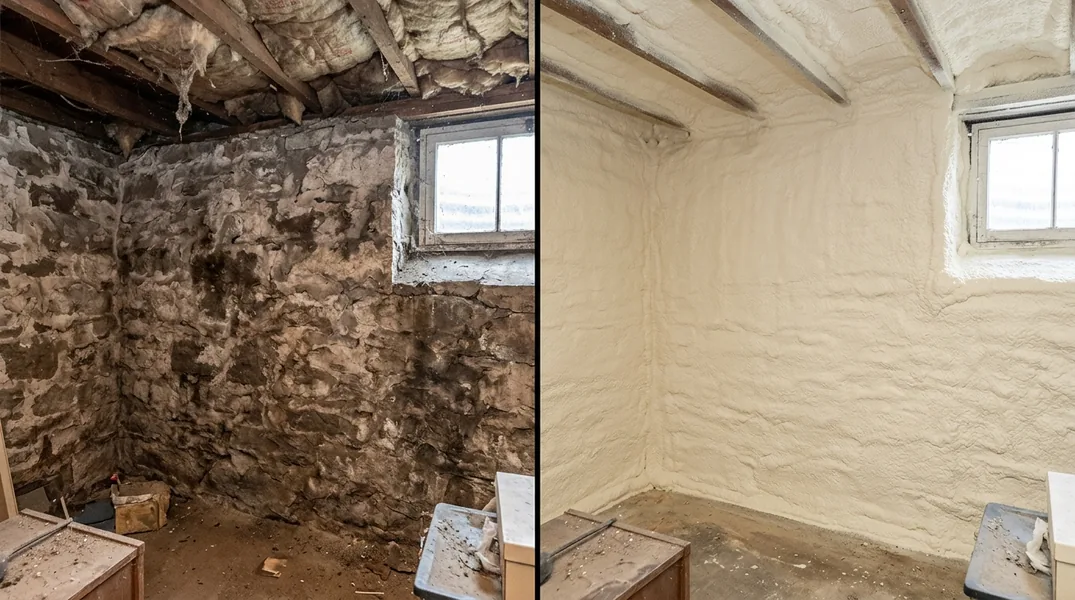
Understanding Spray Foam Attic Insulation Basics
When you're considering how to improve your home's energy efficiency, attic spray foam insulation emerges as one of the most effective solutions available to homeowners in Dayton. Unlike traditional fiberglass batts or blown-in cellulose, spray foam creates a seamless thermal barrier that expands to fill every crack, crevice, and gap in your attic space. This superior air sealing capability makes spray foam particularly valuable for older homes and those that experience significant temperature fluctuations throughout the year.
The fundamental appeal of spray foam lies in its dual functionality. It not only insulates your attic but also serves as an air barrier, preventing warm air from escaping during winter and blocking hot air infiltration during summer. This combination means you're reducing your HVAC system's workload, which translates directly into lower energy bills and increased comfort throughout your home. However, before you commit to this upgrade, it's essential to understand the two primary types of spray foam available: open cell and closed cell formulations.
What Is Open Cell Spray Foam Insulation?
Open Cell Spray Foam Insulation is a lighter, more flexible material that expands significantly after application. The cellular structure remains open, meaning the individual cells aren't completely sealed from one another. This characteristic gives open cell foam its distinctive spongy feel and allows it to absorb sound more effectively than its closed cell counterpart. For homeowners prioritizing acoustic benefits and seeking a more affordable insulation option, open cell foam presents an attractive choice.
The R-value of open cell spray foam typically ranges from 3.5 to 3.8 per inch, which is respectable but lower than closed cell alternatives. This means you'll need a thicker application to achieve the same insulation performance. In Dayton, where winter temperatures can drop significantly, this consideration becomes important when planning your attic renovation. Additionally, open cell foam is more permeable to moisture, which can be advantageous in certain climates where vapor transmission is desired, but requires careful consideration in humid conditions or areas prone to water intrusion.
What Is Closed Cell Spray Foam Insulation?
Closed Cell Spray Foam Insulation features a denser structure where the cellular walls are completely sealed, creating a rigid, high-performance insulation material. This closed structure provides superior insulating properties, with R-values ranging from 6.0 to 7.0 per inch, nearly double that of open cell foam. For homeowners seeking maximum thermal resistance in a compact space, closed cell spray foam delivers exceptional performance that justifies its higher initial investment.
Beyond thermal insulation, closed cell foam offers moisture resistance and structural reinforcement. Because the cells are sealed, the material won't absorb water, making it ideal for attics in areas susceptible to condensation or occasional moisture exposure. The foam also adds structural integrity to your roof deck, which can be particularly beneficial in regions experiencing high winds or heavy snow loads. In the Dayton area, where seasonal weather variations include both cold winters and humid summers, closed cell foam's moisture barrier provides additional peace of mind regarding long-term attic health.
Open Cell vs Closed Cell: Performance Comparison for Dayton Homes
Choosing between open cell and closed cell spray foam requires evaluating several performance metrics relevant to your specific situation. The most obvious difference is R-value per inch, where closed cell significantly outperforms open cell, allowing you to achieve higher insulation ratings with less material thickness. If your attic has limited space due to roof pitch or existing structural elements, closed cell becomes the more practical choice. However, if you have adequate depth and prioritize cost efficiency, open cell can still deliver solid thermal performance at a lower price point.
Moisture management represents another critical distinction. Open cell foam's breathability can be beneficial in certain climates where you want vapor to move freely through the insulation layer, preventing moisture accumulation. Conversely, closed cell foam's impermeability makes it the superior choice if you're concerned about air leaks allowing humid air into your attic space. For homeowners in Dayton dealing with seasonal humidity variations, closed cell provides a more robust defense against moisture-related issues like mold and wood rot. Sound dampening is another consideration, with open cell foam providing noticeably better acoustic insulation if you value noise reduction from outside sources.
Sealed Attic Insulation Cost in Dayton: What to Budget
When evaluating pricing for spray foam attic projects, you'll find that open cell spray foam typically costs between 50 and 75 cents per board foot, while closed cell spray foam ranges from 1.00 to 1.50 dollars per board foot or higher. This significant price difference reflects the superior performance characteristics and durability of closed cell material. For a typical 1,500 square foot attic with an average depth of 6 inches, you're looking at substantially different investment levels depending on which type you select. However, it's crucial to consider long-term energy savings when evaluating this upfront cost difference.
The energy efficiency improvements from spray foam insulation often result in heating and cooling cost reductions of 15 to 20 percent annually, depending on your home's current insulation condition and local utility rates. Over a 20 to 30 year lifespan, these cumulative savings can easily exceed the initial material cost difference between open and closed cell options. Additionally, many homeowners qualify for federal tax credits or utility rebates when upgrading their attic insulation. To understand the true financial picture for your specific situation, we recommend obtaining a free estimate from Dayton Spray Foam Insulation. Our team can assess your attic, calculate precise material requirements, and provide transparent pricing that helps you make an informed decision aligned with your budget and performance goals.
Which Type Is Right for Your Dayton Home?
Determining whether open cell or closed cell spray foam best serves your home depends on balancing several factors specific to your situation. If you're working with a tight budget and have adequate attic depth, open cell spray foam provides legitimate value and will significantly improve your home's thermal performance compared to older insulation methods. The material's sound-dampening qualities also make it attractive for homeowners prioritizing noise reduction from external sources. However, if moisture protection and maximum thermal resistance are paramount, or if your attic space is limited, closed cell foam's superior performance justifies the additional investment.
Your home's age, current insulation condition, local climate patterns, and long-term plans for the property should all influence your decision. Older homes in Dayton with significant air leakage issues may benefit more from closed cell's superior sealing capability, while newer homes with reasonable existing insulation might achieve satisfactory results with open cell. The best approach involves consulting with experienced professionals who understand the unique characteristics of your attic space. Dayton Spray Foam Insulation specializes in helping homeowners navigate these decisions, and we're ready to discuss your specific needs and recommend the optimal solution for your property. Call us at (937) 800-4951 or request a free estimate to begin your journey toward a more energy-efficient home.
Looking for a professional spray foam insulation contractor in Dayton? Dayton Spray Foam Insulation responds fast for all your spray foam insulation needs.
Get a Free Quote